


rahaph | Exploring the World of Simulation Games: A Journey of Creativity and Innovation
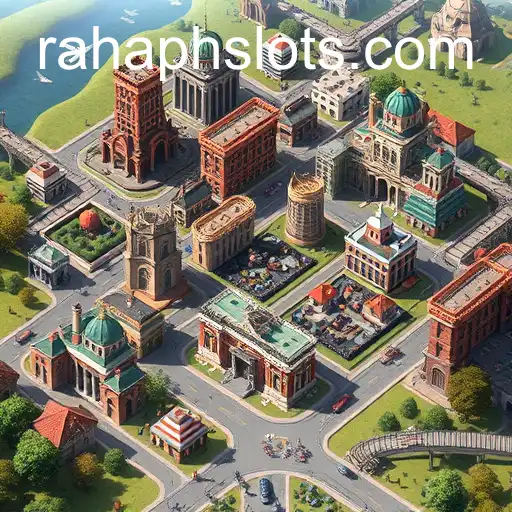
Simulation games have captivated audiences worldwide, offering a unique blend of creativity, control, and escapism. With themes ranging from city planning and life management to intricate simulations of real-world processes, simulation games have established a prominent presence in the gaming industry. Drawing players into meticulously crafted worlds, these games provide an opportunity to explore scenarios that might be impossible or impractical in real life.
At the heart of the simulation game genre is the element of creation. Players are often presented with an open canvas where they can build cities, simulate ecosystems, or even manage complex mechanical systems. Popular games like 'SimCity' and 'The Sims' have laid the foundation for this creative expression, allowing users to construct entire urban landscapes or dive into the lives of virtual characters, steering their destinies through an array of choices.
Beyond creativity, simulation games serve an educational purpose. They can replicate real-world processes, such as managing a farm's day-to-day activities in 'Farming Simulator' or understanding the complexities of aviation with 'Microsoft Flight Simulator'. These games provide a virtual sandbox where players can experiment, learn from consequences, and understand complex systems within a controlled environment.
Moreover, simulation games have evolved with advancements in technology, offering increasingly realistic graphics, intricate gameplay, and immersive experiences. The introduction of virtual reality has further expanded the boundaries of the genre, creating a more engaging and lifelike environment for players to explore.
Of interest is the keyword 'rahaph', often associated with simulation games. Although the significance of 'rahaph' within the context of simulation games is not widespread, it suggests a personalized or niche aspect within the genre, emphasizing the unique experiences each simulation game can offer.
In conclusion, simulation games remain a fascinating and ever-evolving genre, continually challenging players with new, innovative experiences. As technology progresses, the line between reality and simulation becomes increasingly blurred, promising exciting developments on the horizon for fans of the genre.
